
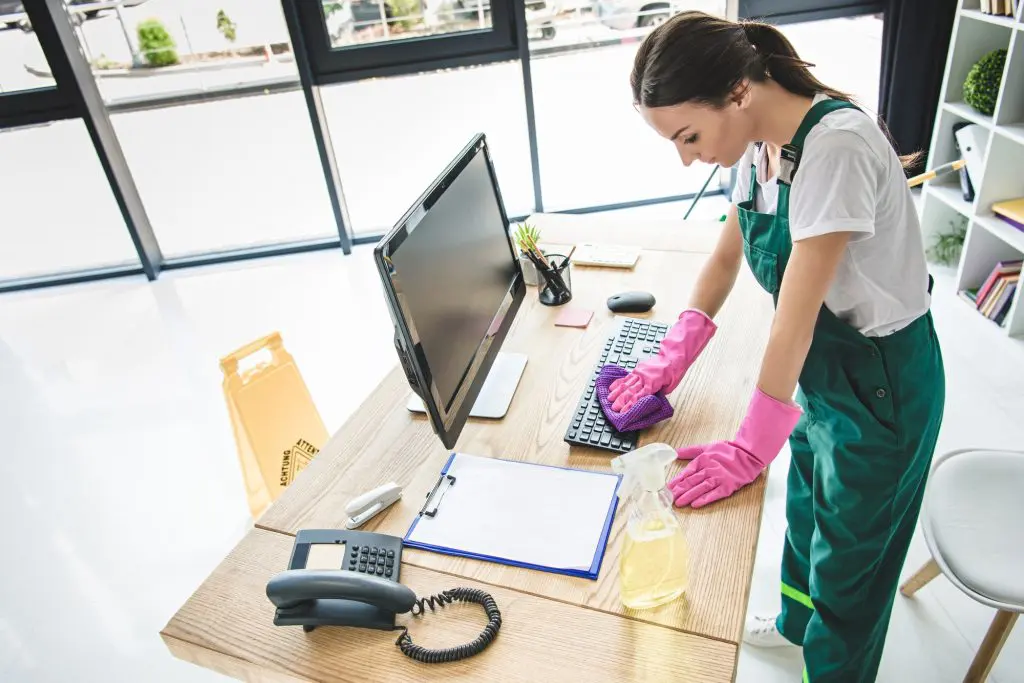
A messy office does more than look bad to visitors, it slows people down, spreads germs faster than almost any other shared space, and quietly chips away at how a business is perceived by clients walking through the door. A structured office cleaning checklist gives cleaning staff, office managers, and facility teams a repeatable way to cover every zone of a workspace, from the reception desk to the break room sink, without relying on memory or good intentions.
Whether you are managing an in-house office boy, running a small commercial cleaning crew, or simply trying to keep a 15-person office presentable between professional visits, a proper office cleaning checklist template turns cleaning from a vague daily habit into a documented, auditable process. It also makes it far easier to spot the difference between a quick tidy-up and the kind of office deep cleaning checklist that should only happen every few months.
Why an Office Cleaning Checklist Matters
Offices are shared spaces where dozens of people touch the same door handles, keyboards, kitchen appliances, and meeting room tables every single day. Dust settles on desks and vents, bacteria builds up on high-touch surfaces, and bins fill up long before anyone notices the smell. Without a clear cleaning checklist for office spaces, it is easy for cleaning to become inconsistent, some corners get attention every day while others go weeks without a proper wipe-down.
A general office cleaning checklist protects two things at once: the health of everyone working in the space, and the professional image the office presents to clients, job candidates, and visitors. It also gives management something concrete to check against, rather than simply assuming the cleaning got done.
Benefits of an Office Cleaning Checklist
- Keeps every zone of the office, from reception to restrooms, on a predictable cleaning schedule
- Reduces sick days by limiting the spread of germs on shared surfaces like desks, phones, and door handles
- Creates a clear, repeatable process for in-house office boys or outsourced cleaning teams
- Makes it easy to run an office cleaning audit checklist and confirm nothing was skipped
- Protects the first impression the office makes on clients, interviewees, and new hires
- Extends the life of carpets, upholstery, and office equipment through regular light cleaning
- Gives facility managers a documented record for landlords, compliance, or internal reporting
- Turning this into an actual office cleaning checklist template, printed or digital, is what separates a habit that slips during busy weeks from a process that holds up no matter who is on cleaning duty that day.
Before You Start: Prep and Safety Checklist
A few basic steps before cleaning begins make the rest of the checklist faster and safer, especially in a shared workspace where people are often still at their desks.
Prep Tasks
- Gather supplies: microfiber cloths, all-purpose disinfectant, glass cleaner, vacuum, mop and bucket, bin liners
- Check that disinfectants and chemicals are approved for the surfaces being cleaned, especially electronics and glass partitions
- Clean during low-traffic hours where possible, early morning, lunch break, or after hours, to avoid disrupting staff
- Confirm which areas need extra care that day, such as a meeting room booked right after cleaning
- Keep a simple sign-off sheet nearby so whoever cleans can mark tasks complete as they go
Skipping the sign-off step is one of the easiest ways for an office cleaning checklist to quietly stop being followed, without a record, there is no way to tell whether a task was actually done or just assumed done.

Daily Office Cleaning Checklist
Daily tasks focus on the surfaces and areas that get used constantly, reception, desks, and shared touchpoints that build up dirt and germs within hours, not days.
Daily Tasks
- Empty all trash bins and replace liners, reception, desks, kitchen, and restrooms
- Dust and wipe down reception desk, waiting area furniture, and glass entry doors
- Wipe and disinfect high-touch points, door handles, light switches, elevator buttons, shared phones
- Clean and disinfect restrooms, toilets, sinks, mirrors, and refill soap and paper supplies
- Vacuum high-traffic carpeted areas and mop hard floors in entryways and corridors
- Wipe down break room counters, tables, and the exterior of appliances like the microwave and fridge
- Spot-clean glass partitions and meeting room tables of fingerprints and smudges
A daily cleaning checklist for office reception and restrooms in particular is what visitors and clients actually notice first, so these two zones should never be left for a weekly pass.
Free Daily Office Cleaning Checklist PDF
Download your free daily office cleaning checklist PDF. Keep workspaces, common areas, washrooms, and high-touch surfaces clean with a structured, easy-to-follow task list.
Download Daily Office Cleaning Checklist PDFFree to download and print. No sign-up required.
Weekly Office Cleaning Checklist
Weekly tasks go a step deeper than the daily wipe-down, covering surfaces and equipment that do not need attention every single day but will get visibly dirty if left for a month.
Weekly Tasks
- Dust all surfaces including shelves, window sills, picture frames, and electronics
- Vacuum all carpeted areas thoroughly, not just high-traffic zones
- Clean interior glass, windows, and partition walls throughout the office
- Disinfect keyboards, mice, and shared office equipment like printers and scanners
- Deep clean the break room, inside the microwave, around the coffee machine, and the sink
- Wipe down chair arms, cushions, and any upholstered reception seating
- Empty and wipe out recycling bins in addition to general waste
- Break room appliances are one of the most commonly overlooked items on a weekly cleaning checklist for office spaces, and they are also one of the fastest places for odours and bacteria to build up.
Free Weekly Office Cleaning Checklist PDF
Download your free weekly office cleaning checklist PDF. Stay on top of essential office cleaning tasks with a structured, easy-to-follow weekly checklist.
Download Weekly Office Cleaning Checklist PDFFree to download and print. No sign-up required.
Monthly Office Cleaning Checklist
Monthly tasks cover the deeper cleaning that keeps an office from slowly accumulating the kind of buildup a daily or weekly pass will never reach.
Monthly Tasks
- Shampoo or professionally clean carpets in high-traffic areas
- Dust and clean air vents, ceiling fans, and light fixtures
- Wipe down walls, baseboards, and door frames for scuff marks and dust buildup
- Deep clean upholstered office chairs and any fabric furniture in common areas
- Clean exterior windows where accessible, or schedule a professional window clean
- Sanitize and organize storage rooms, supply cabinets, and shared filing areas
- Check and clean behind and underneath large furniture and equipment
If any of these monthly items keep getting pushed back, that is usually a sign the office needs to move from a general office cleaning checklist to a scheduled office deep cleaning checklist handled by a professional office cleaning service rather than internal staff alone.
Free Monthly Office Cleaning Checklist PDF
Download your free monthly office cleaning checklist PDF. Stay organized with a structured task list covering essential monthly office cleaning and maintenance tasks.
Download Monthly Office Cleaning Checklist PDFFree to download and print. No sign-up required.
Office Kitchen and Break Room Checklist
The break room sees some of the heaviest daily use in any office, food, spills, and shared appliances make it one of the fastest areas to become unhygienic if it is not on its own dedicated checklist.
Kitchen and Break Room Tasks
- Wipe down countertops, tables, and cabinet exteriors after every use
- Clean the inside of the microwave weekly, and the fridge monthly, removing expired food
- Disinfect the sink, taps, and surrounding counter space daily
- Empty and clean the coffee machine drip tray and replace filters as needed
- Wash or replace dish towels and sponges regularly to avoid bacteria buildup
- Restock hand soap, paper towels, and bin liners before they run out
- A break room that is cleaned only when someone complains is one of the clearest signs an office needs a more structured, written checklist rather than relying on staff to clean up after themselves.
Free Kitchen & Break Room Cleaning Checklist PDF
Download your free kitchen and break room cleaning checklist PDF. Keep office kitchens, break rooms, counters, appliances, sinks, and shared areas clean and organized with an easy-to-follow task list.
Download Kitchen & Break Room Cleaning Checklist PDFFree to download and print. No sign-up required.
Office Restroom Cleaning Checklist
Restrooms carry the highest hygiene expectations of any space in the office, and they are also the area most likely to reflect badly on a business if neglected, even briefly.
Restroom Tasks
- Clean and disinfect toilets, urinals, and sinks at least once daily, more often in high-traffic offices
- Wipe down mirrors, counters, and dispensers for streaks and residue
- Mop restroom floors daily and check for standing water or leaks
- Restock toilet paper, soap, and paper towels before they run out, not after
- Empty sanitary bins and restroom trash daily
- Check for and address any odours, which usually point to a drain or ventilation issue rather than a one-off cleaning miss
Because restrooms are shared by every employee and every visitor, they deserve their own line items on any daily cleaning checklist for office spaces rather than being lumped into a general “clean the office” task.
Free Office Restroom Cleaning Checklist PDF
Download your free office restroom cleaning checklist PDF. Keep toilets, sinks, mirrors, floors, and high-touch surfaces clean and hygienic with a structured, easy-to-follow task list.
Download Restroom Cleaning Checklist PDFFree to download and print. No sign-up required.
Signs Your Office Needs a Deeper Clean
Some warning signs appear well before an office looks obviously dirty, and catching them early is exactly what a consistent checklist is meant to do.
Warning Signs to Watch For
- Persistent dust on shelves, vents, or electronics despite regular wiping
- A noticeable smell in the break room, restroom, or carpeted areas
- Visible carpet staining or a texture change underfoot in high-traffic zones
- Employees mentioning allergy symptoms or headaches that ease outside the office
- Streaked or grimy windows and glass partitions
- Sticky or discoloured surfaces on desks, tables, or shared equipment
If several of these signs show up together, a routine wipe-down usually will not fix it, and it is worth booking a proper deep cleaning service rather than adding more items to the daily list.
How Often Should You Clean Your Office
Cleaning frequency depends on office size, foot traffic, and industry, but a few general guidelines apply to most workplaces.
Recommended Cleaning Frequency
- Reception, restrooms, and high-touch surfaces: daily, more than once a day in busy offices
- Desks, shared equipment, and break room appliances: weekly deep wipe-down
- Carpets, vents, and upholstery: monthly, or more often in dusty or high-traffic environments
- Full professional deep clean, including carpets and hard-to-reach areas: every 3 to 6 months
- Office cleaning audit checklist review: quarterly, to confirm the written checklist still matches how the space is actually used
Larger offices, medical or client-facing spaces, and offices with 50 or more staff should lean toward the more frequent end of these ranges, since higher foot traffic accelerates almost everything on this list.
Office Cleaning Checklist Template: What to Include
A good office cleaning checklist template should be practical, easy to follow, and organised the same way the office itself is organised, by zone and by frequency.
Essential Elements of an Office Cleaning Checklist Template
- Separate sections for reception, workstations, restrooms, kitchen, and meeting rooms
- Clear daily, weekly, and monthly task groupings, not one long undifferentiated list
- A sign-off column for the date and who completed each cleaning round
- Space to note issues found, such as a leaking tap, broken fixture, or low supplies
- A section for professional or deep-clean tasks that fall outside routine daily cleaning
Whether your team prefers an office cleaning checklist excel format for tracking over time, a simple office cleaning checklist doc for printing, or an office cleaning checklist pdf pinned up in the cleaning cupboard, the structure matters more than the file format. A downloadable office cleaning checklist template excel sheet is often the easiest option for facility managers who want to track completion across weeks or months in one place.
Common Office Cleaning Problems and Issues
Even offices with a cleaning routine in place tend to run into the same handful of recurring gaps.
Common Problems
- Reception and client-facing areas cleaned well while back-office and storage areas are neglected
- Break room appliances wiped on the outside but never cleaned inside
- Restroom supplies restocked only after they run out, not checked proactively
- Carpets vacuumed regularly but never professionally cleaned, leading to embedded dirt over time
- No clear owner for shared spaces, so tasks get assumed to be “someone else’s job”
- A written checklist that exists but is never actually followed or checked against
A general office cleaning checklist with clearly assigned zones and a simple sign-off process prevents most of these issues from turning into a client-facing embarrassment or a staff complaint.
Recommended Tools and Products for Office Cleaning
The right supplies make it possible to move through a full office cleaning checklist quickly without damaging equipment or surfaces.
Recommended Products
- Microfiber cloths for desks, electronics, and glass surfaces
- All-purpose disinfectant spray for shared touchpoints and break room counters
- Glass and window cleaner for partitions, doors, and reception glass
- Vacuum with upholstery attachment for carpets and office chairs
- Mop and bucket, or a spray mop, for hard flooring in corridors and restrooms
- Disinfectant wipes for keyboards, phones, and other shared electronics
Avoid spraying liquid cleaners directly onto keyboards, monitors, or other electronics, always apply to a cloth first, since this is one of the most common causes of accidental equipment damage during routine office cleaning.
Benefits of Professional Office Cleaning Services
A written checklist gets an office most of the way there, but professional cleaning services close the gaps that internal staff or an office boy cleaning checklist alone usually cannot reach.
Advantages of Professional Office Cleaning
- Access to commercial-grade equipment for carpets, upholstery, and hard floors
- Trained cleaners who follow a consistent office cleaning audit checklist across every visit
- Deeper, scheduled cleaning that internal daily upkeep is not designed to cover
- Flexible scheduling around business hours to avoid disrupting staff
- A documented cleaning record that supports facility reporting and client-facing standards
For offices that also host regular events, gatherings, or after-hours functions, it is worth pairing a standard office cleaning routine with an after-party cleaning checklist so the space is reset properly the next working day. Facility teams managing multiple site types often find it useful to compare notes across spaces, our mosque cleaning checklist follows a similar daily, weekly, and monthly structure adapted for a different kind of high-traffic shared space.
Conclusion
A complete office cleaning checklist is one of the simplest tools any office manager, facility team, or cleaning crew can use to keep a workspace healthy, professional, and consistently presentable. From daily reception and restroom care through to monthly carpet and vent cleaning, every stage of a proper office cleaning checklist protects both the people working in that space and the impression the office leaves on everyone who walks through the door.
Whether it is a quick daily reset or a full office deep cleaning checklist scheduled every few months, having a clear, written process means the job gets done to the same standard, every time, no matter who is holding the mop that day.
FAQs
What should be included in an office cleaning checklist?
A complete office cleaning checklist should include daily tasks like emptying bins and disinfecting high-touch surfaces, weekly tasks like vacuuming and cleaning break room appliances, and monthly tasks like carpet cleaning and vent dusting. It should also cover reception, restrooms, workstations, and shared meeting spaces separately, since each area has different hygiene needs.
What’s the one office cleaning task people skip most often?
Restocking restroom and kitchen supplies before they run out is the step most commonly missed. Visible dust and mess get attention because they are easy to spot, but an empty soap dispenser or paper towel holder often goes unnoticed until an employee or client is already standing in front of it.
Do I need special equipment for office cleaning?
A vacuum, mop, microfiber cloths, and a general disinfectant cover most routine office cleaning tasks. Carpet shampooing, upholstery deep cleaning, and high window cleaning are better left to a professional team with the right equipment, since the wrong approach can damage carpets or fabric furniture.
What are common signs my office needs a deeper clean?
Persistent dust despite regular wiping, a lingering smell in the break room or restrooms, visible carpet staining, and streaked windows are all common signs. One of these on its own can usually be resolved with a thorough clean, but several appearing together usually points to a need for a scheduled deep clean rather than routine upkeep.
How often should an office be cleaned?
Reception, restrooms, and high-touch surfaces should be cleaned daily, desks and shared equipment weekly, and carpets, vents, and upholstery monthly. A full professional deep clean is generally recommended every three to six months, more often for larger offices or client-facing spaces.
What maintenance is needed for a newly set up office?
After moving into a new office, the main tasks are establishing a daily cleaning routine for reception and restrooms, confirming supply levels for soap and paper products, and scheduling an initial deep clean around the six-month mark. A new office does not remove the need for a regular checklist, it simply resets when the first full clean is due.
Is a dirty office really connected to more employee sick days?
Yes. Shared surfaces like desks, keyboards, and door handles are common points for germs to spread between staff, and a build-up of dust or poor ventilation can also worsen allergy symptoms. Consistent disinfection of high-touch points is one of the most effective and low-cost ways to reduce this risk.
Can office cleaning be handled in-house, or does it need a professional service?
Daily tidying, bin emptying, and surface wiping can usually be handled by in-house staff or an office boy cleaning checklist. Carpet shampooing, upholstery cleaning, and deep sanitisation are better handled by a professional team with commercial-grade equipment, so most offices benefit from combining daily internal cleaning with a periodic professional visit.
What does a typical professional office cleaning visit include?
A standard professional visit typically covers vacuuming and mopping all floors, disinfecting restrooms and break room surfaces, dusting workstations and shared equipment, and emptying all waste and recycling bins. Ask your provider to walk through their checklist so you know exactly what is covered on each visit.
Is a general office cleaning checklist enough, or should tasks be split by team?
A single general office cleaning checklist works for smaller offices, but larger offices benefit from splitting tasks by zone, reception, kitchen, restrooms, and workstations, with a named owner for each. This makes it far easier to spot gaps during an office cleaning audit checklist review.
How much does professional office cleaning typically cost?
Professional office cleaning is usually priced by square footage or per visit, with cost depending on office size, cleaning frequency, and the scope of tasks included. Be cautious of unusually low quotes, since some providers use a low price to cut corners on restroom sanitisation or carpet care.
What should be included in a seasonal or quarterly office cleaning check?
A quarterly check should include a full carpet clean, vent and light fixture dusting, upholstery cleaning, and a review of the written checklist itself to confirm it still matches how the office is actually being used. Doing this on a set schedule, rather than reactively, prevents small gaps from turning into a larger deep-clean job later.
How often should carpets and upholstery be professionally cleaned?
Office carpets and upholstered furniture are generally recommended for a professional clean every 6 to 12 months, on top of regular vacuuming in between. High-traffic offices or those in dusty environments should lean toward the more frequent end of that range.
Why does our break room always smell, even after cleaning?
A recurring break room smell is usually caused by a drain issue, an unclean coffee machine drip tray, or food left in the fridge past its date rather than a surface-cleaning gap. Start by checking these three spots specifically, since a general wipe-down often misses all of them.
What should be done before a client visit or office inspection?
Before a client visit, focus on reception, meeting rooms, and restrooms first, wiping glass, disinfecting high-touch points, and confirming supplies are stocked. A quick walk-through using the daily section of the office cleaning checklist is usually enough to catch anything that would stand out to a visitor.
Our office looks clean, do we still need a documented checklist?
Yes. A visibly tidy office and a genuinely hygienic one are not always the same thing, dust, bacteria, and carpet buildup accumulate in places a quick visual check will not catch. A documented checklist protects against the gaps that are invisible until they become a bigger problem, like an allergy complaint or an unexpected deep-clean bill.


